What Can and Can’t Go in a Dumpster in Pennsylvania
Most household and construction debris is fair game — but Pennsylvania law draws hard lines around hazardous materials, electronics, and a few other categories. Here’s the full list.
York dumpster guide
Dumpster pricing isn’t random — it comes down to a handful of factors you can control. Here’s what actually moves the number, and why we quote flat rates instead of surprise fees.
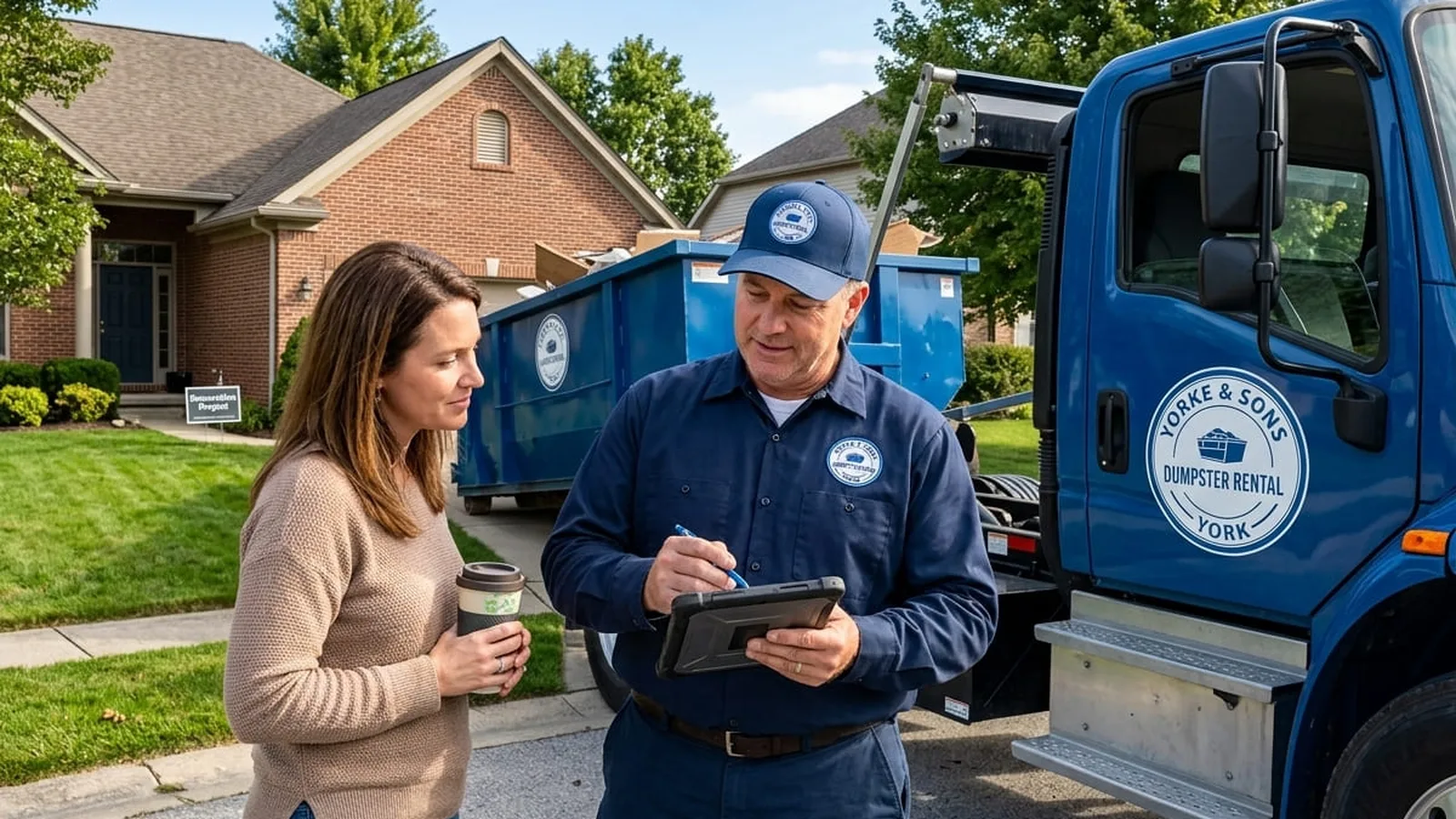
You won’t find a dollar figure on this page, and that’s deliberate. Dumpster pricing depends on real variables specific to your project — size, how long you keep it, what’s inside it, and how heavy it gets. Any flat number posted online without knowing those details is a guess dressed up as a quote. Instead, the Yorke & Sons Dumpster Rental team asks a few questions and gives you a flat-rate quote over the phone at (717) 400-8504 — one number, no line-item surprises when the container comes back.
Bigger containers cost more to deliver, haul, and dispose of than smaller ones, plainly enough. But bigger isn’t always the pricier choice for a given job — sometimes a correctly sized 20 yard beats an oversized 30 yard that hauls mostly empty space. Our sizing guide walks through matching size to project before you ever get to the cost conversation.
Every rental includes a set number of days on-site as standard. Projects that run longer than expected — a remodel that stretches, an estate cleanout that takes an extra weekend — can extend the rental, and that’s built into the quote up front rather than sprung on you at pickup. Tell the team your realistic timeline when you call so the length is right from day one.
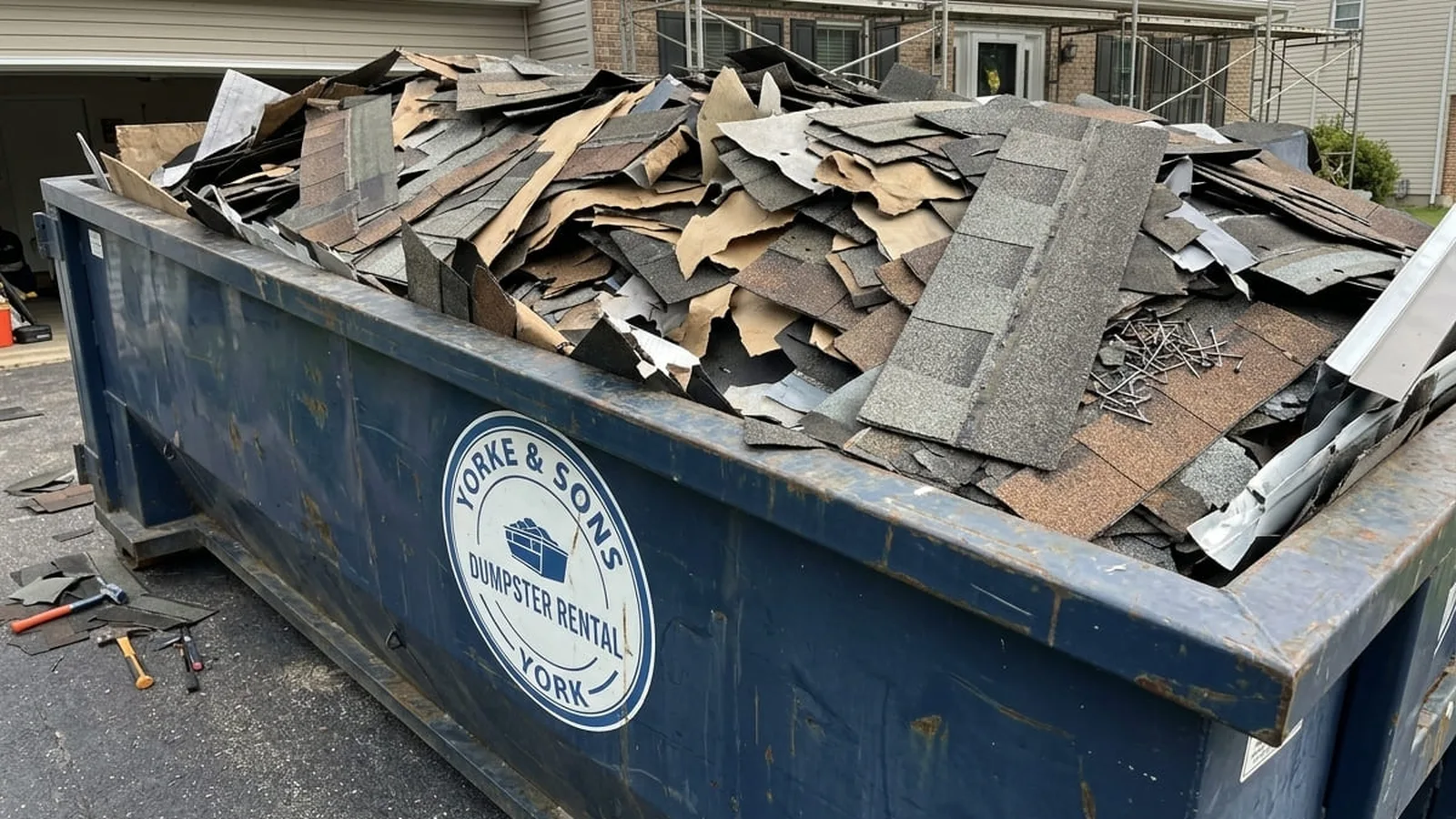
This is the factor that surprises people most. Every dumpster has a weight allowance tied to its size, and material type drives how fast you hit it. Shingles, concrete, brick, tile, and wet debris are dense — a relatively small volume of any of these can weigh as much as a full container of household junk. Roofing tear-offs and construction debris get quoted with weight specifically in mind; see our roofing tear-off guide and construction debris guide for specifics on those jobs.
What’s going in the dumpster changes both the weight math and what’s even allowed. Mixed household debris, clean construction waste, and yard waste are handled differently, and prohibited items — covered in full in our what can go in a dumpster guide — are excluded from every load regardless of size or price.
Placement itself doesn’t usually change the dollar figure, but it can change the timeline behind getting your quote finalized. Driveway placement is simplest and fastest to schedule. Street placement means a municipal permit is likely required — each of York County’s 72 municipalities handles this differently, and our permit guide walks through exactly who to contact. Factor a few extra days into your timeline if street placement looks likely, so the permit isn’t the thing holding up delivery day.
Contractors running multiple pulls across a jobsite, or property managers handling recurring cleanouts, can set up an account with the team for consistent, predictable pricing across projects rather than re-quoting every single haul. Ask about this when you call.
A flat rate from the team covers delivery to your site, the rental period you agree on, pickup, and disposal of the load as described. There’s no separate delivery fee bolted on afterward and no disposal surcharge tacked on at pickup — the number you’re quoted accounts for the whole job from drop-off to haul-away, based on what you told the team about size, material, and timeline.
The fastest way to a real quote is a phone call. Describe the project, the material, and roughly how long you’ll need the container, and the team will give you one flat rate at (717) 400-8504 — covering delivery, pickup, and disposal for the load you describe, with no hidden line items.
FAQs
Because an accurate price depends on size, rental length, weight, and material — details specific to your project. A number posted without knowing those isn’t a real quote. Call (717) 400-8504 and get one that actually applies to your job.
Yes. Once the team quotes your job based on size, timeline, and material, that’s the number — not a starting point with fees added later.
Tell the team what you’re disposing of up front so weight is factored into the original quote. Dense material like shingles, concrete, or tile is the usual reason a load runs heavy — flag it before delivery, not after.
Every rental has a standard rental period built into the quote. If your project needs more time, tell the team your realistic schedule up front so it’s accounted for from the start.
Yes — contractors and property managers with repeat or multi-pull needs can set up an account for consistent pricing. Call the team to discuss your project volume.
Ready when you are
Call and you will speak to someone local who knows the streets, the permit rules and which box actually fits your driveway. Flat rate quoted up front.
Keep reading
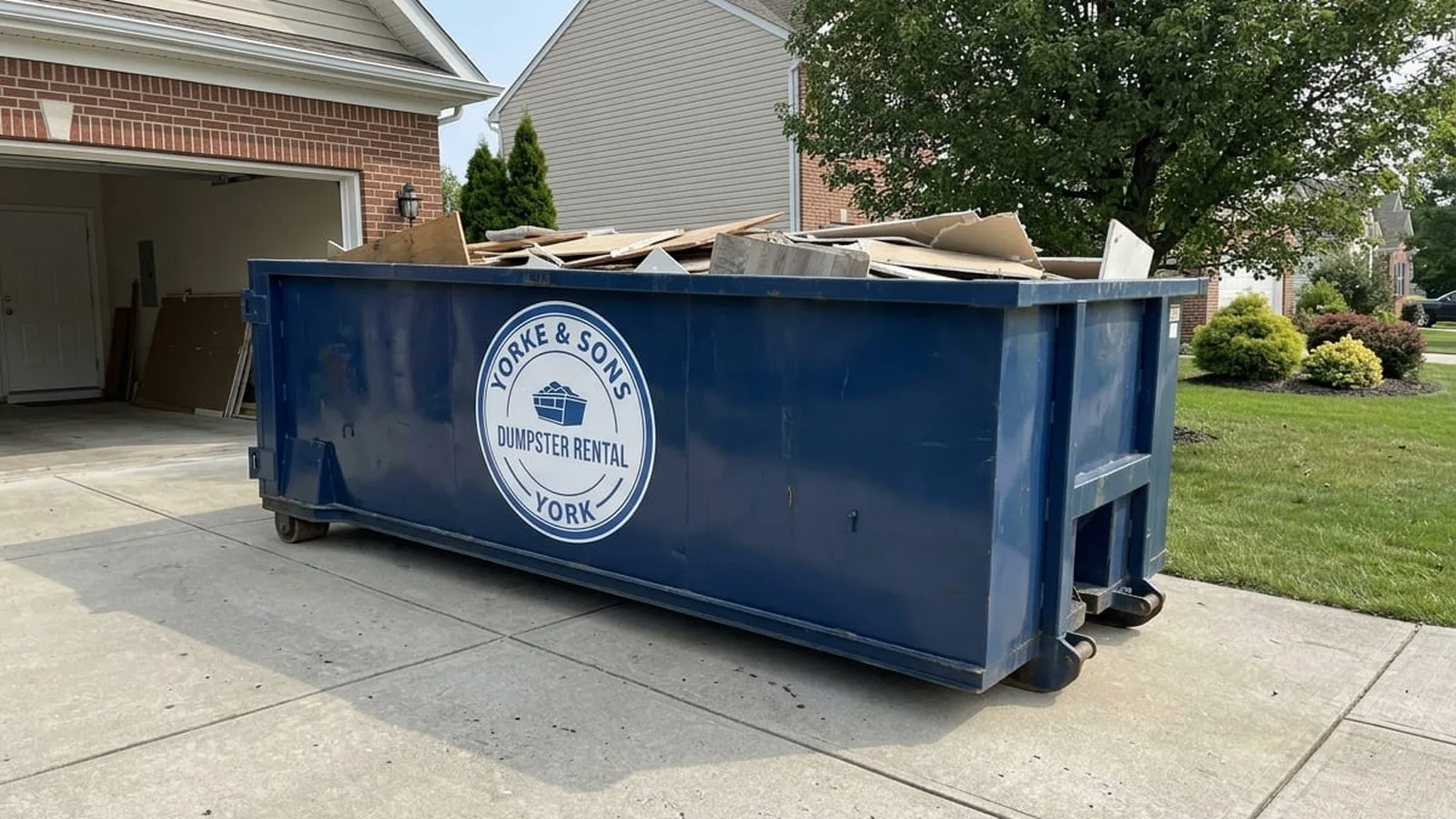
Most household and construction debris is fair game — but Pennsylvania law draws hard lines around hazardous materials, electronics, and a few other categories. Here’s the full list.
York County has no general right-of-way permit office — every one of its 72 municipalities handles its own streets. Here’s exactly who to contact based on where your dumpster sits.
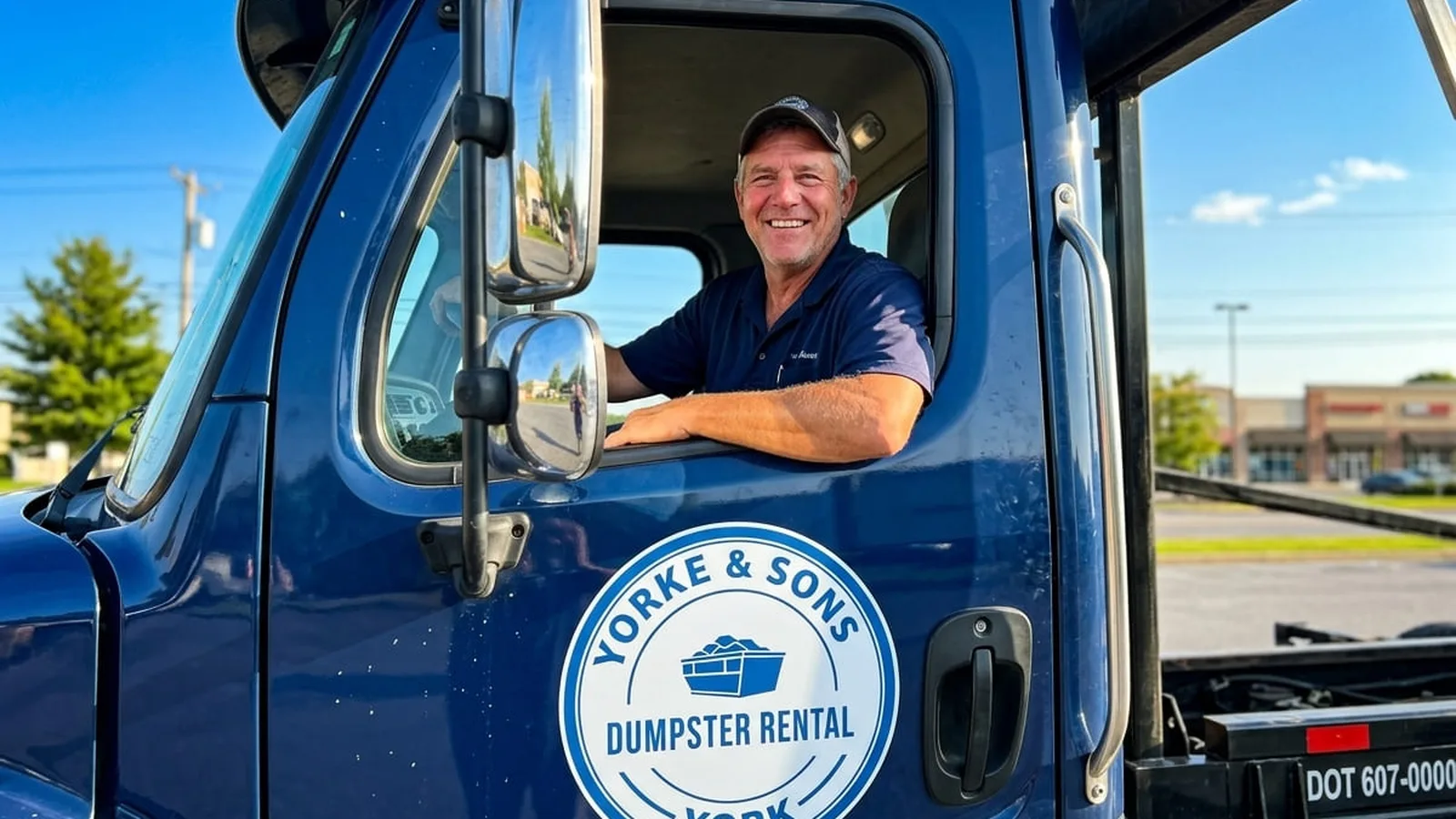
From framing offcuts to full demolition loads, construction debris has its own sizing logic and its own weight math. Here’s how contractors plan for it.